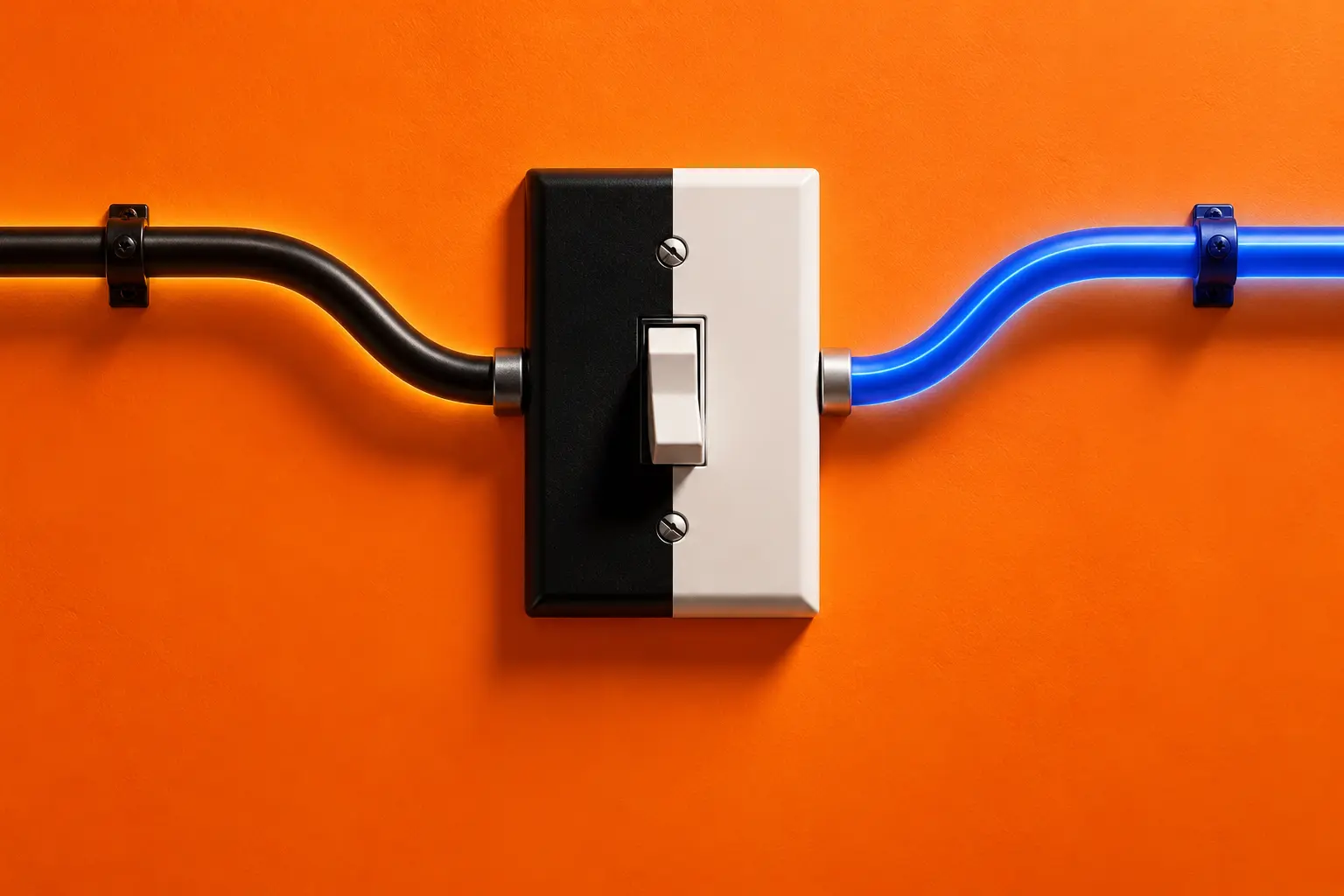
A simpler switch creates a bigger creative challenge
One Touch Switch lets residential broadband customers contact the provider they want to join and have that provider manage the move. Ofcom says more than 300 providers offer the process, and 3.43 million switching journeys had begun by early September 2026.
That removes an important operational barrier. It also makes the competitive question sharper. If changing is easier, why should the household choose you?
Broadband is a household decision
The account may be held by one person, but broadband performance is experienced by everyone. A decision has to satisfy working from home, streaming, gaming, homework, video calls and the monthly budget. The person initiating the switch may need to justify it to three other people who mainly want the Wi-Fi not to disappear.
This is why raw speed alone is rarely enough. Speed matters, but only as evidence of a better household outcome. Reliable coverage, useful support, honest pricing and a smooth installation may be more persuasive than another number followed by “Mbps”.
One Touch Switch reduces the admin. Advertising still has to reduce the doubt.
Answer the worries before they become abandonment
Will we lose service? Explain timing, continuity and what happens if installation moves.
Will the price change? Show the total commitment clearly, including any planned increases.
Will it work throughout the home? Translate network capability into rooms, routines and real usage.
Will switching affect our bundle? Make implications for landline, television, email and other services easy to understand.
Will support be there if something goes wrong? Treat service evidence as part of the proposition, not small print.
Ofcom’s rules now require providers to set out applicable in-contract price rises upfront in pounds and pence. That is a compliance requirement, but it is also a creative discipline. A campaign that depends on customers not noticing the real future price is not a strong campaign.
Build the campaign around one household improvement
The most effective proposition will depend on the customer and network. It might be predictable pricing, better whole-home coverage, faster installation, human support or a more useful bundle. Whichever advantage leads, it should be specific enough to substantiate and simple enough to survive a six-second edit.
Creative can then dramatise the everyday frustration being removed. The work should show the household consequence of unreliable broadband rather than turning into a diagram of infrastructure. People buy the better evening, working day or family routine. The network makes it possible.
Sequence media around the switching window
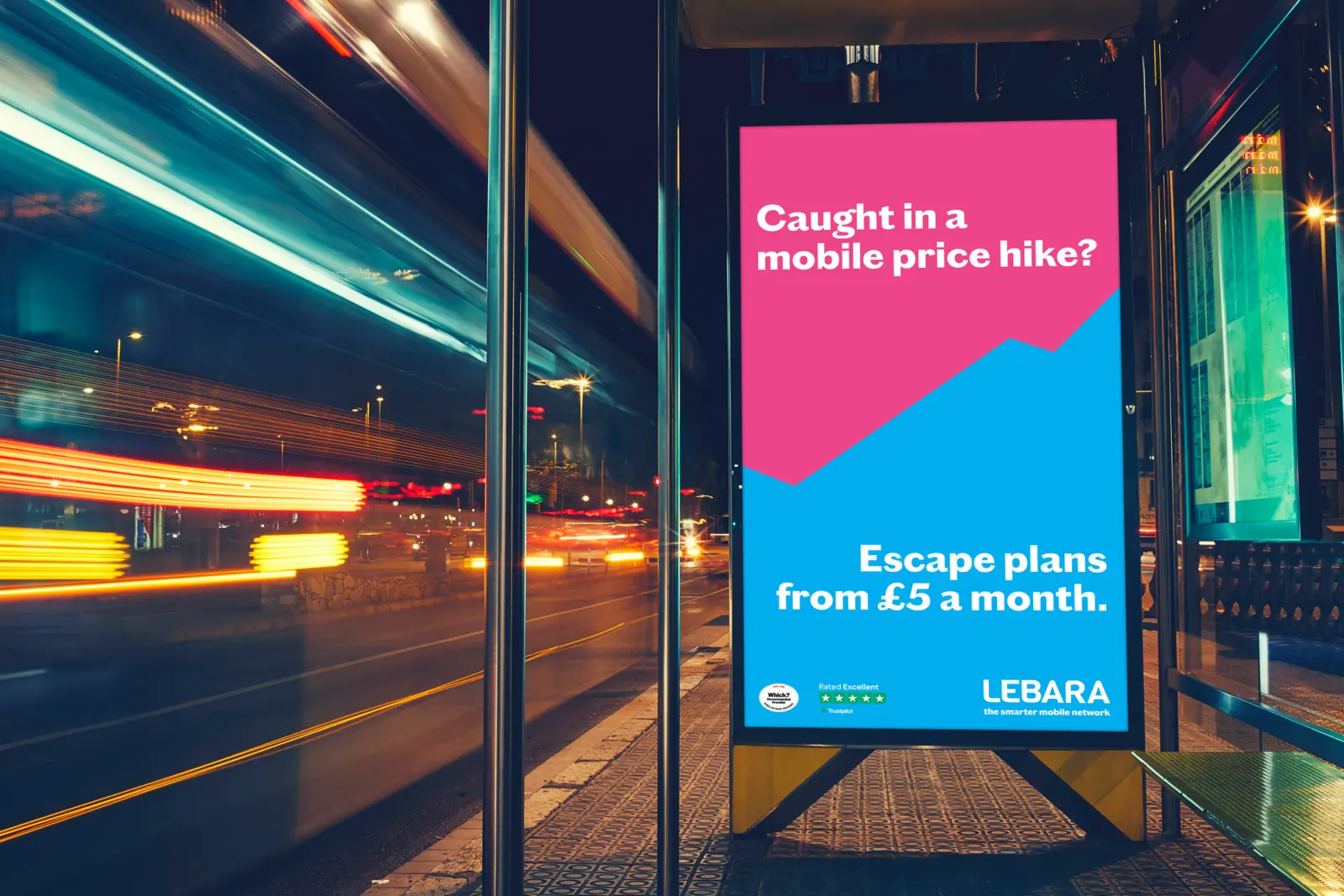
TV and connected TV can establish the provider and turn a technical difference into a recognisable household story. Audio can build frequency around end-of-contract and price triggers. Outdoor can land a simple local availability or value message. Paid search, social and retargeting then answer specific questions and recover incomplete journeys.
Audience planning should distinguish people who can buy now from those building future preference. Availability, contract status, household composition, life stage and current-provider dissatisfaction are more useful than a broad demographic labelled “family”.
The 2027 advantage
By 2027, One Touch Switch will no longer be novel. It will simply be how the market works. Providers will gain less from explaining the mechanism and more from owning a memorable reason to use it.
That is where integrated delivery matters. Double W can connect audience strategy, the creative proposition, production and media planning to the acquisition journey, so the promise that creates interest is still present when the household checks availability and places the order.